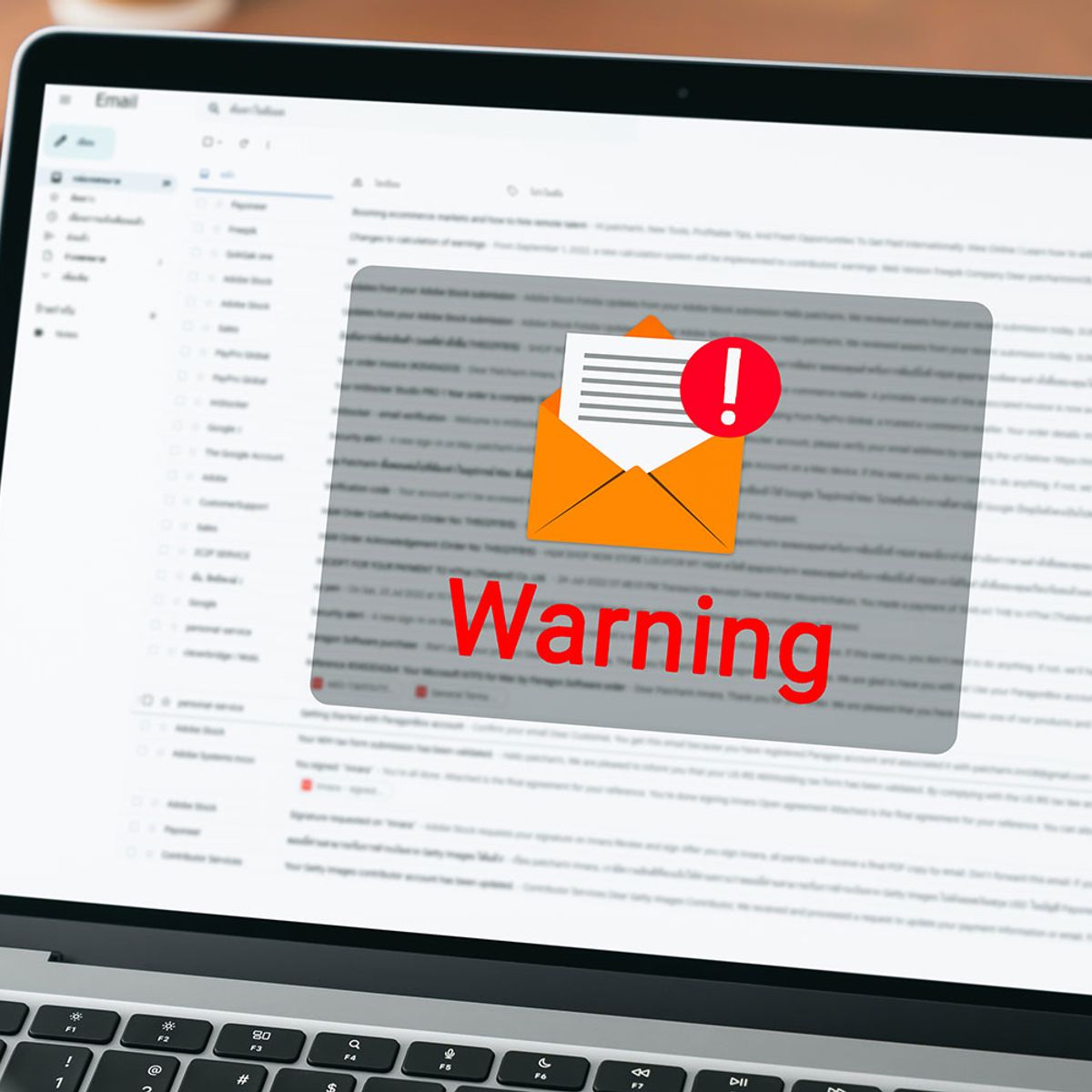
What to Do If Your Email Has Been Hacked — If your email has been hacked, it's essential to act quickly to minimize the damage and prevent further unauthorized access. Email hacking can lead to identity theft, financial loss, and compromised personal data. In this article, we'll guide you through the immediate steps to take if your email has been hacked, including how to secure your account and protect your personal data.
What to Do Immediately If Your Email Has Been Hacked
The first step is to change your password immediately. This will help prevent the hacker from continuing to access your account. Make sure to choose a strong and unique password that includes a mix of letters, numbers, and special characters. Avoid using easily guessable information such as your name, birthdate, or common words.
Also Read
Recover Hacked Facebook Account Step by Step
Secure Your Account
In addition to changing your password, it's crucial to enable two-factor authentication (2FA) on your email account. 2FA adds an extra layer of security, requiring both a password and a verification code sent to your phone or another device. This makes it much harder for hackers to gain access to your account.
How to Prevent Future Hacks
To prevent future email hacks, it's essential to be vigilant and take proactive measures. Regularly update your operating system, browser, and email client to ensure you have the latest security patches. Avoid using public computers or public Wi-Fi to access your email, as these can be vulnerable to hacking. Be cautious when clicking on links or downloading attachments from unknown sources, as these can be phishing attempts.
Also Read
Recover Hacked Instagram Account 2026 Guide
Trusted Resources for Expert Help
If you're unsure about how to secure your email account or need expert help, consider reaching out to a trusted resource like HackerForHire. With years of experience in cybersecurity and a team of expert hackers, HackerForHire can provide you with the guidance and support you need to protect your email account and personal data.
Conclusion
Having your email hacked can be a stressful and potentially damaging experience. However, by acting quickly and taking the right steps, you can minimize the damage and prevent future hacks. Remember to change your password, enable 2FA, and be vigilant when accessing your email. If you need expert help, don't hesitate to reach out to a trusted resource like HackerForHire.
Frequently Asked Questions
What are the signs that my email has been hacked?
If you notice any unusual activity on your email account, such as unfamiliar senders or recipients, it may be a sign that your email has been hacked. Other signs include changed account settings, unfamiliar devices logged in to your account, or suspicious emails sent from your account.
How can I prevent email hacking in the future?
To prevent email hacking in the future, make sure to use a strong and unique password, enable 2FA, and regularly update your operating system, browser, and email client. Avoid using public computers or public Wi-Fi to access your email, and be cautious when clicking on links or downloading attachments from unknown sources.
What should I do if I've already been a victim of email hacking?
If you've already been a victim of email hacking, it's essential to act quickly to minimize the damage. Change your password, enable 2FA, and monitor your account for any suspicious activity. Consider reaching out to a trusted resource like HackerForHire for expert help and guidance.
Can I recover my hacked email account?
In many cases, it's possible to recover a hacked email account. If you act quickly and follow the right steps, you can regain control of your account and prevent further unauthorized access. If you're unsure about how to recover your account, consider reaching out to a trusted resource like HackerForHire for expert help.
How can I protect my personal data from email hacking?
To protect your personal data from email hacking, make sure to use strong and unique passwords, enable 2FA, and be vigilant when accessing your email. Avoid using public computers or public Wi-Fi to access your email, and be cautious when clicking on links or downloading attachments from unknown sources. Consider using a reputable antivirus software and a virtual private network (VPN) to add an extra layer of security.
References
- Email Hacking — Wikipedia article on email hacking
- Cybersecurity and Infrastructure Security Agency — US government agency providing cybersecurity resources and guidance
- Federal Trade Commission — US government agency providing resources and guidance on identity theft and financial loss