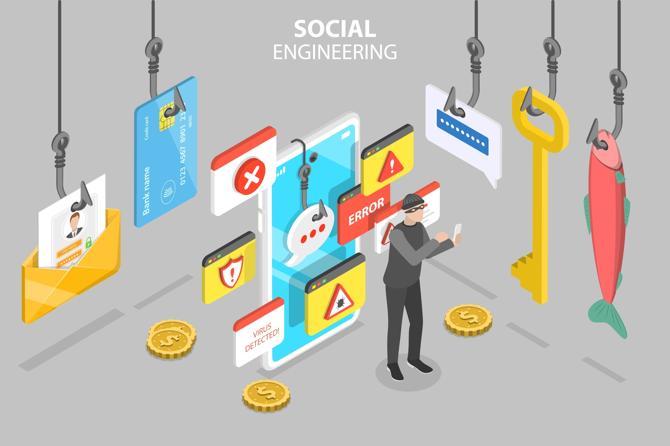
Social engineering is a powerful tool used by hackers to manipulate individuals into divulging sensitive information or performing certain actions. It is a form of psychological manipulation that exploits human vulnerabilities, rather than technical vulnerabilities, to gain access to sensitive information or systems. Social engineering can take many forms, including phishing, pretexting, baiting, and quid pro quo.
What Is Social Engineering?
Social engineering is a type of attack that relies on human interaction and psychological manipulation to gain access to sensitive information or systems. It is a non-technical attack that exploits human vulnerabilities, such as trust, curiosity, and greed, to achieve the attacker's goals. Social engineering can be used to steal sensitive information, gain access to systems or networks, or disrupt business operations.
Also Read
Social Media Account Recovery Time: How Long Does it Take?
Types of Social Engineering Attacks
There are several types of social engineering attacks, including:
- Phishing: Phishing is a type of social engineering attack that involves sending fake emails or messages that appear to be from a legitimate source. The goal of phishing is to trick the recipient into divulging sensitive information, such as login credentials or financial information.
- Pretexting: Pretexting is a type of social engineering attack that involves creating a fake scenario or story to gain the trust of the victim. The attacker may pose as a IT support specialist, a bank representative, or a law enforcement officer to gain access to sensitive information.
- Baiting: Baiting is a type of social engineering attack that involves leaving a malware-infected device or storage media, such as a USB drive, in a public area. The goal of baiting is to trick the victim into inserting the device into their computer, which will then install the malware.
- Quid Pro Quo: Quid pro quo is a type of social engineering attack that involves offering a service or benefit in exchange for sensitive information. The attacker may offer to perform a task or provide a benefit in exchange for login credentials or other sensitive information.
How Do Hackers Use Social Engineering?
Hackers use social engineering to gain access to sensitive information or systems. They may use social engineering to:
Also Read
Recover Deleted Messages from WhatsApp, Instagram, and Snapchat
- Steal sensitive information, such as login credentials or financial information
- Gain access to systems or networks
- Disrupt business operations
- Install malware or other types of malicious software
How to Protect Yourself from Social Engineering Attacks
To protect yourself from social engineering attacks, it is essential to be aware of the types of attacks that are commonly used and to take steps to prevent them. Here are some tips to help you protect yourself:
- Be cautious of emails or messages that ask for sensitive information
- Verify the identity of the person or organization that is requesting sensitive information
- Do not insert unknown devices or storage media into your computer
- Use strong passwords and keep them confidential
- Keep your software and operating system up to date
Conclusion
Social engineering is a powerful tool used by hackers to manipulate individuals into divulging sensitive information or performing certain actions. It is essential to be aware of the types of social engineering attacks that are commonly used and to take steps to prevent them. By being cautious and taking the necessary precautions, you can protect yourself from social engineering attacks and keep your sensitive information safe.
Frequently Asked Questions
What is social engineering?
Social engineering is a type of attack that relies on human interaction and psychological manipulation to gain access to sensitive information or systems.
How do hackers use social engineering?
Hackers use social engineering to gain access to sensitive information or systems, steal sensitive information, gain access to systems or networks, disrupt business operations, or install malware or other types of malicious software.
How can I protect myself from social engineering attacks?
To protect yourself from social engineering attacks, be cautious of emails or messages that ask for sensitive information, verify the identity of the person or organization that is requesting sensitive information, do not insert unknown devices or storage media into your computer, use strong passwords and keep them confidential, and keep your software and operating system up to date.
What are the most common types of social engineering attacks?
The most common types of social engineering attacks include phishing, pretexting, baiting, and quid pro quo.
How can I report a social engineering attack?
If you suspect that you have been a victim of a social engineering attack, report it to the relevant authorities, such as your IT department or law enforcement agency, and take steps to protect yourself, such as changing your passwords and monitoring your accounts for suspicious activity.
References
- Social Engineering — Definition and explanation of social engineering
- Phishing — Information on phishing attacks and how to prevent them
- Pretexting — Information on pretexting attacks and how to prevent them